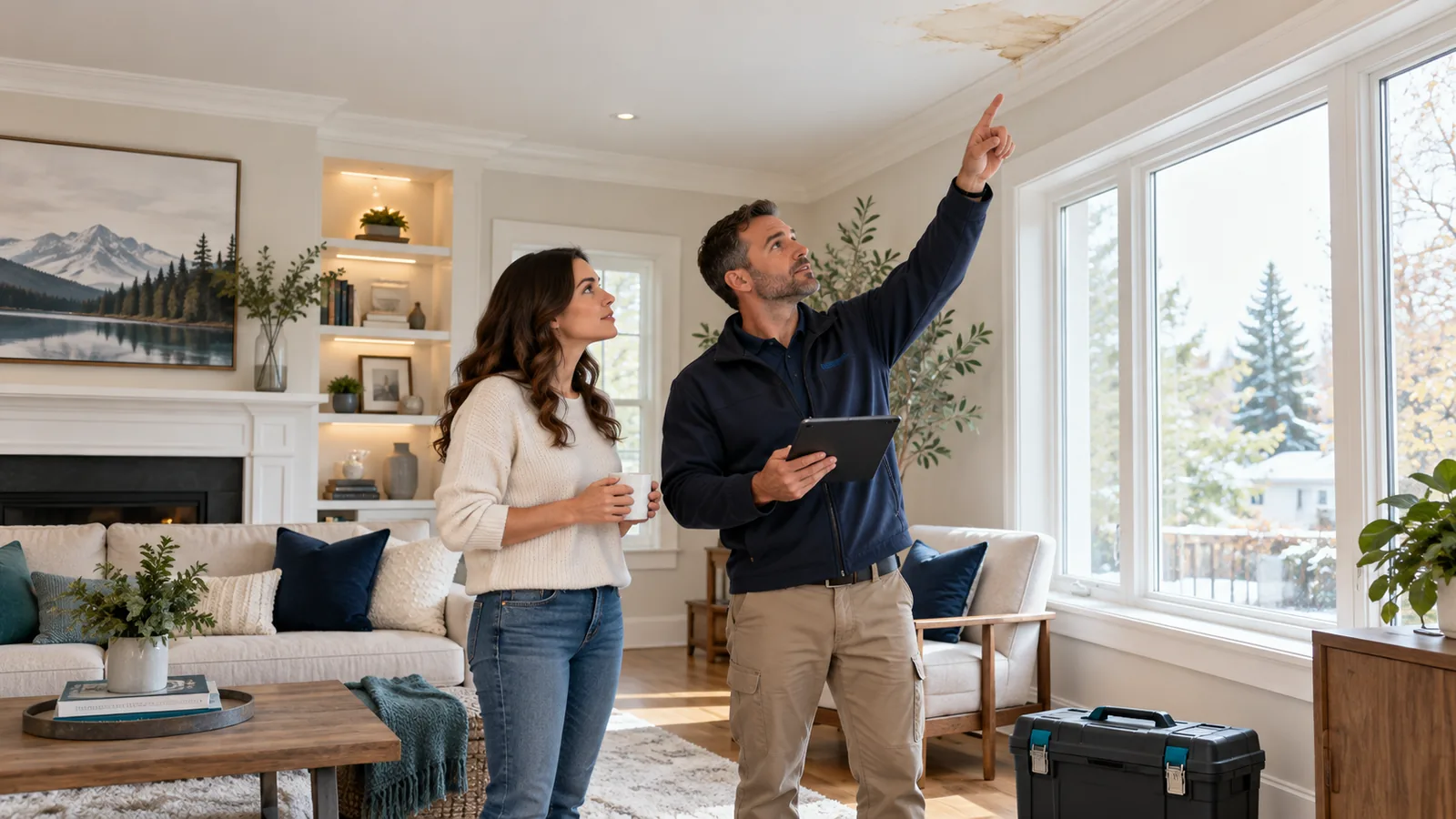

Canadian winters differ from coast to coast: wet freeze-thaw cycles, prairie cold snaps and northern snowfall call for different preparation. Fall is a useful time to find problems before colder weather stresses plumbing, heating, roofs, windows and drainage. This Canadian winter home maintenance checklist separates safe checks from work that needs a professional.
Quick Answer: What Should You Check Before Winter in Canada?
Before winter, test the heating system; look for leaks and vulnerable pipes; check gutters, drainage and the roof from a safe position; inspect window and door seals; test smoke and carbon monoxide alarms; disconnect outdoor hoses; check exterior lighting; prepare snow and ice equipment; and review emergency supplies. Adapt the order to your local weather and property. If a check reveals gas, electrical, roof or other hazardous work, contact an appropriately qualified professional rather than attempting a repair.
Why Pre-Winter Home Maintenance Matters in Canada
Cold, snow and repeated thawing can expose leaks, weak seals, blocked drainage or heating problems. A fall walkthrough gives you time to document symptoms and arrange help. Maintenance cannot prevent every repair, but it can reveal known vulnerabilities. The Government of Canada's winter-storm guidance recommends checking the house and roof for damage and preparing supplies.
1. Check Your Heating System Before You Need It
Run the system before severe cold and note weak heat, unusual noises or odours. Keep vents unobstructed. Replace a user-serviceable filter only as directed; arrange maintenance if due or performance is uncertain. Natural Resources Canada recommends fall heating check-ups by contractors. Do not dismantle a furnace or bypass controls. If you smell gas, leave and call the utility or emergency service from a safe location.
2. Inspect Plumbing and Protect Vulnerable Pipes
Look for leaks and pipes in unheated garages, crawlspaces, basements and exterior walls. Keeping indoor areas heated and protecting exposed piping may reduce freezing risk; ask a plumber about vulnerable lines. Toronto's frozen-pipe guidance identifies these trouble spots and warns against open flames. Do not attempt risky thawing. For repair planning, see the Canadian plumbing cost guide.
3. Disconnect Outdoor Hoses and Check Exterior Faucets
Disconnect, drain and store garden hoses; check outdoor faucets for drips. Follow property and fixture instructions because designs differ. Ask a plumber if you cannot identify the correct shutoff or suspect a hidden leak. Toronto's guidance recommends removing hoses before freezing weather.
4. Clean Gutters and Check Drainage
Leaves can obstruct gutters and downspouts. From the ground, look for overflow, loose sections and blocked outlets. Check whether drainage directs water away from vulnerable foundation areas. Hire help if cleaning requires an unsafe ladder or roof position. In winter, watch for ice around drains and downspouts; Canada's flood-readiness guidance connects these areas with meltwater risk.
5. Inspect the Roof Before Snow Arrives
From the ground, look for damaged shingles, loose-looking flashing, sagging, damaged gutters and earlier leak stains indoors. Photos can help describe a concern. Arrange a professional inspection when damage is suspected or the view is incomplete. Never climb a wet or icy roof to investigate.
6. Check Windows and Doors for Drafts
Check closed windows and doors for drafts, damaged weather stripping, gaps or condensation. Replacing accessible weather stripping may be reasonable when done to product instructions. Larger gaps or water entry need assessment. Natural Resources Canada discusses air sealing; results vary by home.
7. Check Insulation and Air Leakage
Cold spots can indicate a problem near an attic hatch, basement, wall or window; record the location and any moisture. Avoid disturbing unfamiliar insulation. A home-energy or building professional can assess larger issues. Natural Resources Canada explains how insulation, airflow and moisture interact.
8. Test Smoke and Carbon Monoxide Alarms
Test alarms as instructed by the manufacturer; replace batteries or expired devices as directed. Confirm required placement with your local fire authority. Carbon monoxide has no smell. If a CO alarm sounds, Health Canada says to leave immediately, call emergency services from outside and not re-enter or search for the source.
9. Check Your Fireplace or Chimney
For a fireplace or chimney, note damage, odours, soot or drafting concerns. Ask a qualified professional about inspection and cleaning; do not dismantle combustion equipment or work at height. Health Canada links appliance maintenance with carbon-monoxide prevention.
10. Prepare Exterior Walkways and Stairs
Check handrails, steps, uneven surfaces and drainage before snow hides them. Arrange repairs for damage. Keep a shovel and suitable traction materials accessible; choose ice products for the surface, pets and local rules. Plan clear access to entrances and utilities. Get help for hazardous ice removal.
11. Check Exterior Lighting
Check accessible bulbs, clean intact fixtures as instructed and note damaged covers or intermittent operation. Leave wiring repairs to a qualified professional. The electrician hiring guide explains how to compare qualifications and quotes.
12. Inspect Trees and Branches Near the Home
Look for broken limbs, branches touching the roof and trees near service lines. Arrange arborist help for large limbs, dangerous heights or work near electrical lines. Keep clear of fallen lines and call the utility or emergency service.
13. Prepare for Snow Removal
Inspect the shovel and arrange manufacturer-recommended snow-blower service if needed. Plan where snow can go without blocking exits or drains. Ask a removal service about scheduling and scope. Avoid unskilled mechanical repairs. Canada's cold-weather guidance notes that strenuous shovelling may be unsafe for some people.
14. Check Basement and Foundation Areas for Moisture
Look for damp patches, stains, a musty smell, cracks or past water entry. Photograph symptoms without diagnosing the cause. Check accessible drains without dismantling plumbing. Significant or recurring moisture deserves evaluation before thaw periods; exterior drainage alone may not solve a leak.
15. Review Your Home Emergency Supplies
Check flashlights, batteries, a phone power bank, first-aid supplies, blankets, water and essential medications. Include household-specific needs and local weather alerts. The Government of Canada's emergency-kit checklist offers a fuller list.
Room-by-Room Winter Preparation Checklist
Kitchen and bathrooms
- [ ] Look under sinks and around visible plumbing for leaks.
- [ ] Note pipes near exterior walls and any persistent condensation.
- [ ] Check ventilation and report a fan that does not work correctly.
Basement and mechanical area
- [ ] Look for moisture, staining and exposed or cold-area pipes.
- [ ] Check the heating area for obvious access or vent obstructions without opening equipment.
- [ ] Check alarm status and your emergency supplies.
Exterior and garage
- [ ] Review roof and gutters from the ground, drainage, faucets and lighting.
- [ ] Check walkway condition, branches and stored snow equipment.
- [ ] Note any garage plumbing or damaged weather seals.
Which Winter Maintenance Jobs Can You Do Yourself?
Generally simple homeowner checks: observe accessible areas, disconnect hoses, test alarms, clear debris at ground level, replace accessible weather stripping and service a user-replaceable filter as the manufacturer directs. Stop if a task requires unfamiliar tools, unsafe access or opening protected equipment.
Professional help may be appropriate: furnace or gas-system servicing, electrical work, chimney work, roofing, major plumbing, significant moisture or structural concerns, large branches and work at dangerous heights. Whether a trade licence or permit is required depends on the jurisdiction and job. For hiring decisions, the trusted-local-professionals guide and seven questions to ask before hiring provide useful starting points.
When Should You Call a Professional Before Winter?
Arrange an assessment for unreliable heat, repeated leaks, electrical faults, roof damage, persistent drafts, chimney concerns or substantial moisture. Describe the symptom rather than guessing at a repair; photos and dates can help. Planned work may be easier to schedule before winter demand rises, though availability and price are never guaranteed. For non-urgent work, compare equivalent scopes and follow-up terms using the local service quote guide.
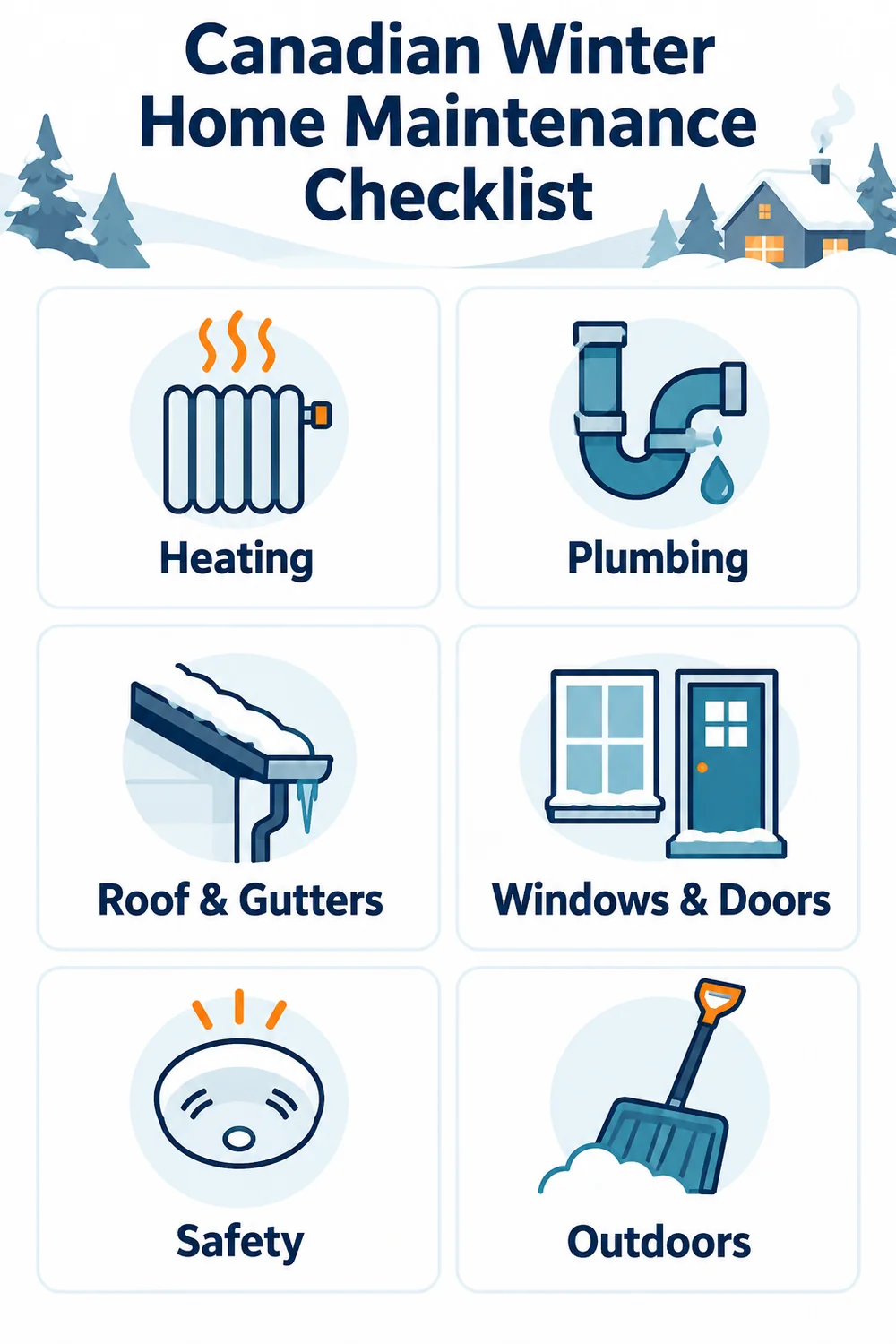
Canadian Winter Home Maintenance Checklist
Save or print this section and mark what applies to your property. A concern is a reason to investigate, not a diagnosis.
Heating: [ ] Test operation [ ] Check accessible filter and vents [ ] Schedule service if due
Plumbing: [ ] Look for leaks and vulnerable pipes [ ] Disconnect hoses [ ] Check exterior faucets
Roof and drainage: [ ] View roof from the ground [ ] Arrange gutter cleaning if needed [ ] Check downspouts
Windows and doors: [ ] Check seals [ ] Note drafts [ ] Review weather stripping
Safety: [ ] Test smoke alarms [ ] Test CO alarms [ ] Check exterior lighting
Outdoors: [ ] Check walkways and handrails [ ] Prepare snow equipment [ ] Note concerning branches
How Dr. Octopus Can Help You Prepare for Winter
Dr. Octopus lets you describe a project and post a request in a relevant service category. Participating businesses may respond with offers; you can review available company information and compare the scope before deciding whom to contact. The live directory currently has Plumbing, Electrician, Cleaning and Renovation categories, as well as all categories and a companies directory. A category's presence does not guarantee an available provider or response.
For a multi-trade winter project, separate the tasks clearly so each business understands its scope. Post a request when ready; an account is required. Check qualifications, permits and insurance yourself where relevant. Dr. Octopus does not claim to verify them, guarantee workmanship or provide escrow.